Boutique and historic

The case for the small and storied

Some hotels are remembered by their walls: a palace stair, a cloister turned dining room, a castle tower with a bed inside. Boutique and historic stays give a place a voice, and they are the hotels people describe years later.

A voice can also be a draught. Here is how we separate genuine atmosphere from inconvenience, and how to book the small and storied with your eyes open.

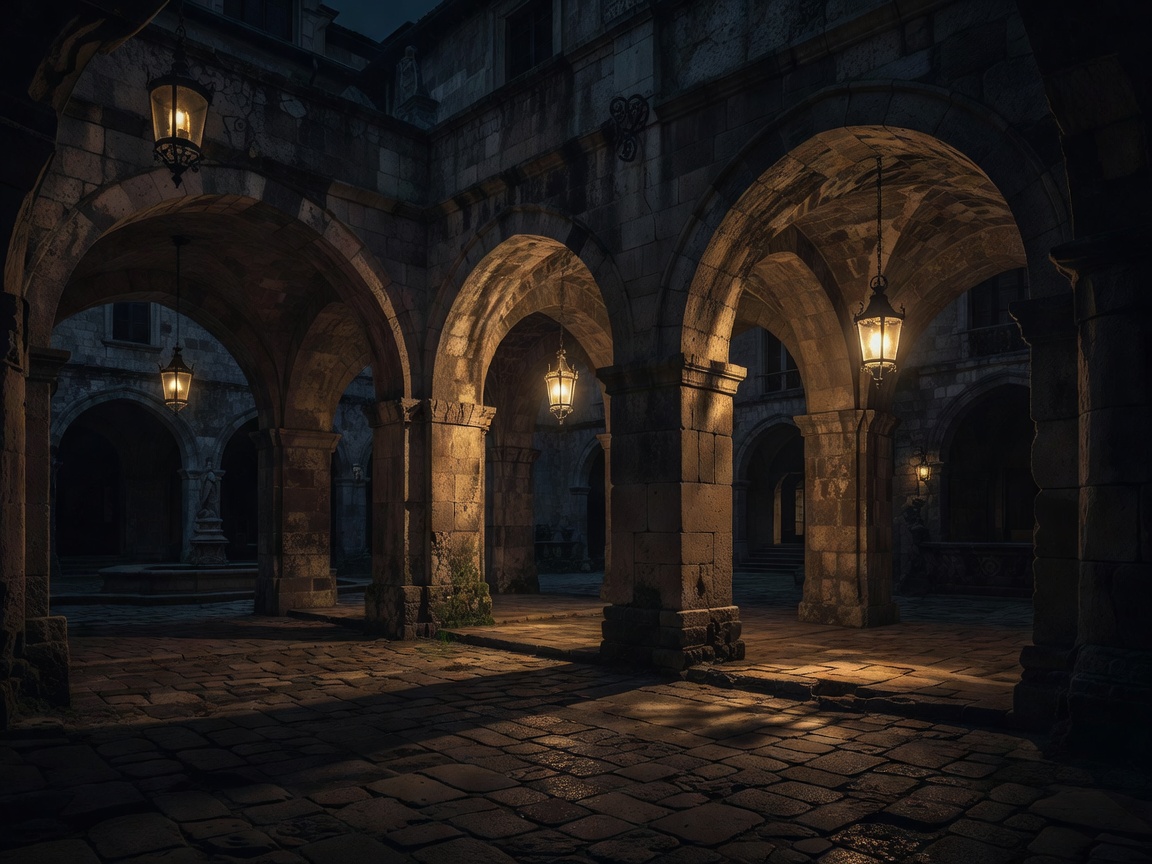
Historic hotel courtyard with stone arches, lantern light and deep shadows

Palaces, convents and castles

Europe is generous with buildings that became hotels. The Parador de Granada occupies a former convent inside the grounds of the Alhambra, so you sleep within the monument you came to see. Palácio Belmonte in Lisbon's Alfama district is a restored palace with a long history above the river.

Hotel Danieli in Venice is a Gothic palace on the Riva degli Schiavoni, a short walk from St Mark's Square. Ashford Castle, on the shore of Lough Corrib in County Mayo, has origins in the 13th century and grounds to match.

In every case the building is the attraction. We look for places that treat it with respect, which means good restoration, honest descriptions of the rooms, and staff who know the history.
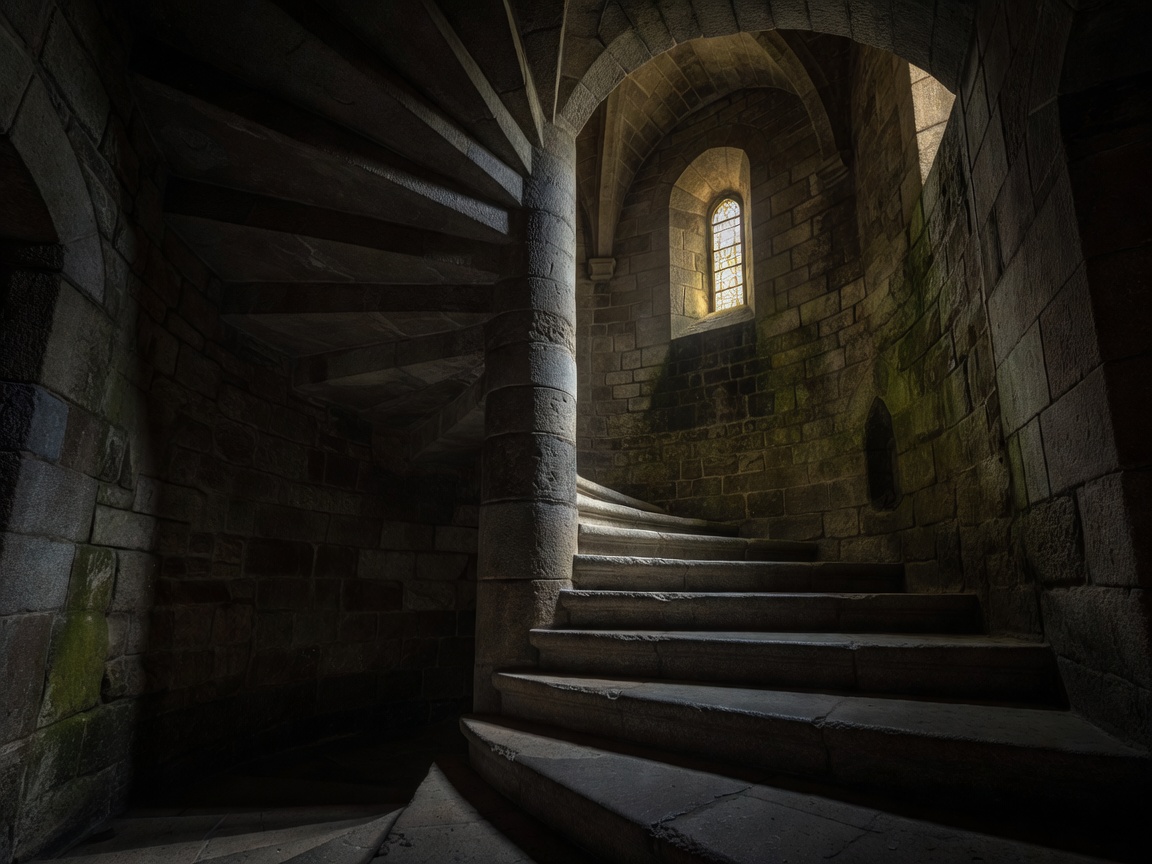
Stone spiral staircase in a castle hotel tower with deep shadows and a single lit window

Small rooms, big personality, and what to verify

Boutique hotels are usually small and often owner-run, with a point of view in every detail: a library, a courtyard, a bar that locals use. The trade-off is that rooms differ. The cheapest category may face a wall, and the best may be on a different floor altogether.

Old buildings behave differently. Floors slope, walls are thin, lifts are small or absent, and heating or air conditioning can be less powerful than in a new tower. Heritage protection often limits what an owner can change, which is part of the charm and part of the compromise.

Look at photographs of the exact room type, ask about stairs and light, and tell a small reception your arrival time, since many have no desk staff late at night. A few honest questions before booking turn surprises into pleasures.
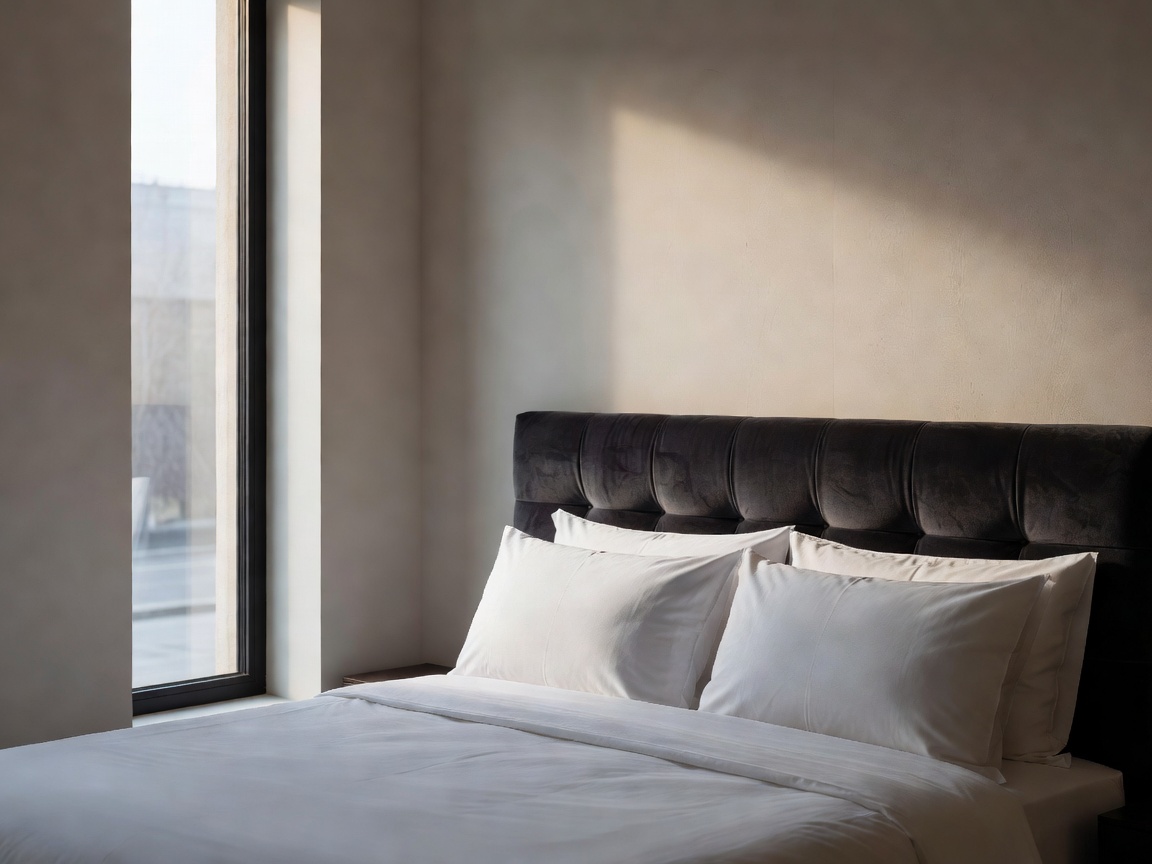
Boutique hotel bedroom with a tall window, soft side light and a dark upholstered headboard
The editor's rule

Character is worth paying for. Surprises are not.

Historic picks

Four houses with a voice of their own

  • Parador de Granada

    Best for sleeping within the Alhambra grounds, in a former convent.

  • Palácio Belmonte, Lisbon

    Best for a restored palace above the Alfama rooftops.

  • Hotel Danieli, Venice

    Best for a Gothic palace on the waterfront, close to St Mark's.

  • Ashford Castle, County Mayo

    Best for lakeside grounds and a castle with deep roots.

What to check before you book

  • The exact room. Categories vary widely, so ask for photographs.
  • Heating and cooling. Confirm what the building offers in your season.
  • Access. Ask about lifts, stairs and luggage help.
  • Late arrival. Small hotels may close reception overnight.
  • Noise. Thin walls and old windows are part of many historic buildings.

Details change, so confirm everything with the hotel before booking.

Continue the guide
  • City hotels

    The case for sleeping in the old town.

    Read →
  • Coastal resorts

    Waking up to the sea.

    Read →
  • Countryside stays

    Sleeping beyond the city.

    Read →