Coastal resorts

The case for waking up to the sea

The first morning at a good coastal hotel has its own light: shutters half open, salt on the air, the sea a colour you cannot quite name. It is the reason to travel, and it is easily lost to a poor choice of cove, a long transfer, or a pool that faces a car park.

We begin with how a place feels to wake up in, then ask the practical questions: how you reach the water, how crowded the season is, and how the money really works.

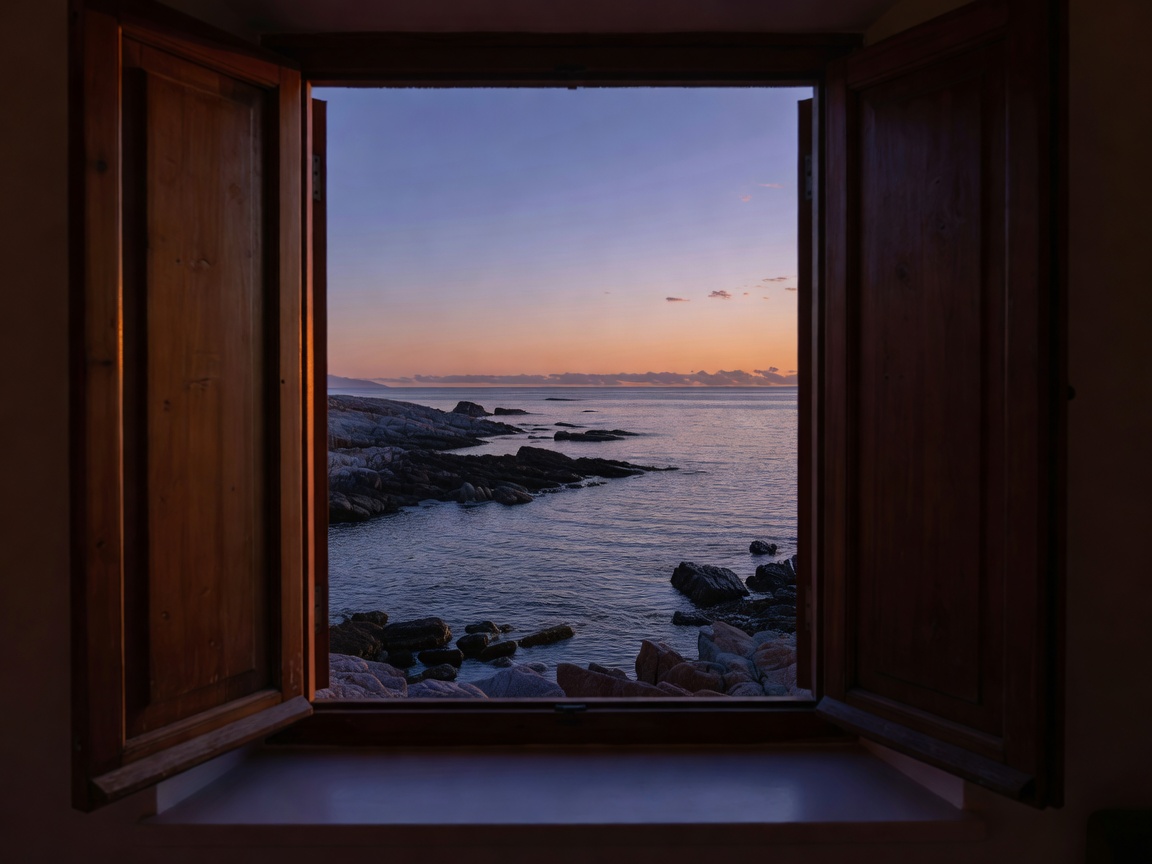
View of a rocky bay through the open shutters of a hotel window at dusk

Choose the coast, then the cove

Europe's coastlines have different temperaments. The Amalfi Coast is vertical and theatrical: Le Sirenuse climbs the cliff above Positano's bay, and Belmond Hotel Caruso looks out from a terraced hilltop in Ravello.

The Côte d'Azur is polished and social, and Hôtel du Cap-Eden-Roc stands among pines on Cap d'Antibes. Liguria offers the harbour village of Portofino with Hotel Splendido in the hills above it, while the Tuscan Maremma gives Il Pellicano at Porto Ercole, a cliffside garden hotel with a quieter pace.

The Greek islands, Mykonos and Cavo Tagoo among them, trade shade for white-washed views and summer wind. Madeira's Reid's Palace in Funchal, high above the Atlantic, is a mild-climate alternative when northern Europe turns grey.
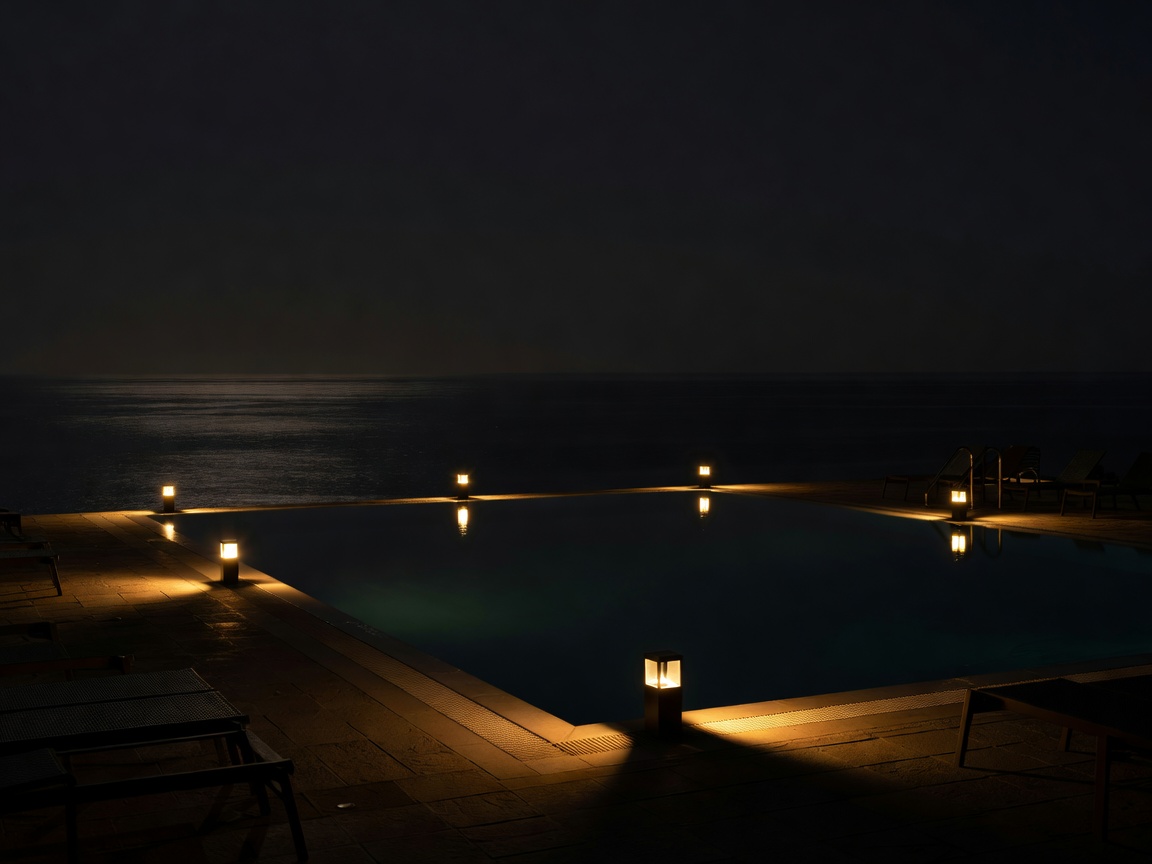
Hotel pool terrace at night with low lamps, deep shadows and the sea beyond

Season, access and the true price of a view

A sea view is the headline; access is the story. Ask whether the water is a few steps away, a lift ride down, or a shuttle boat. In Positano and Ravello, stairs are part of the experience, so if mobility is a concern, confirm the routes with the hotel in writing.

July and August fill first and cost most. May, June and September usually offer warm water, calmer beaches and softer rates, though many resorts close from late autumn to spring, so check opening dates.

Price the stay honestly. Resort fees, sunbed charges, parking and half-board supplements can turn a bargain into an ordinary rate. A transparent smaller hotel with a good terrace often delivers better value than a large resort with add-ons.
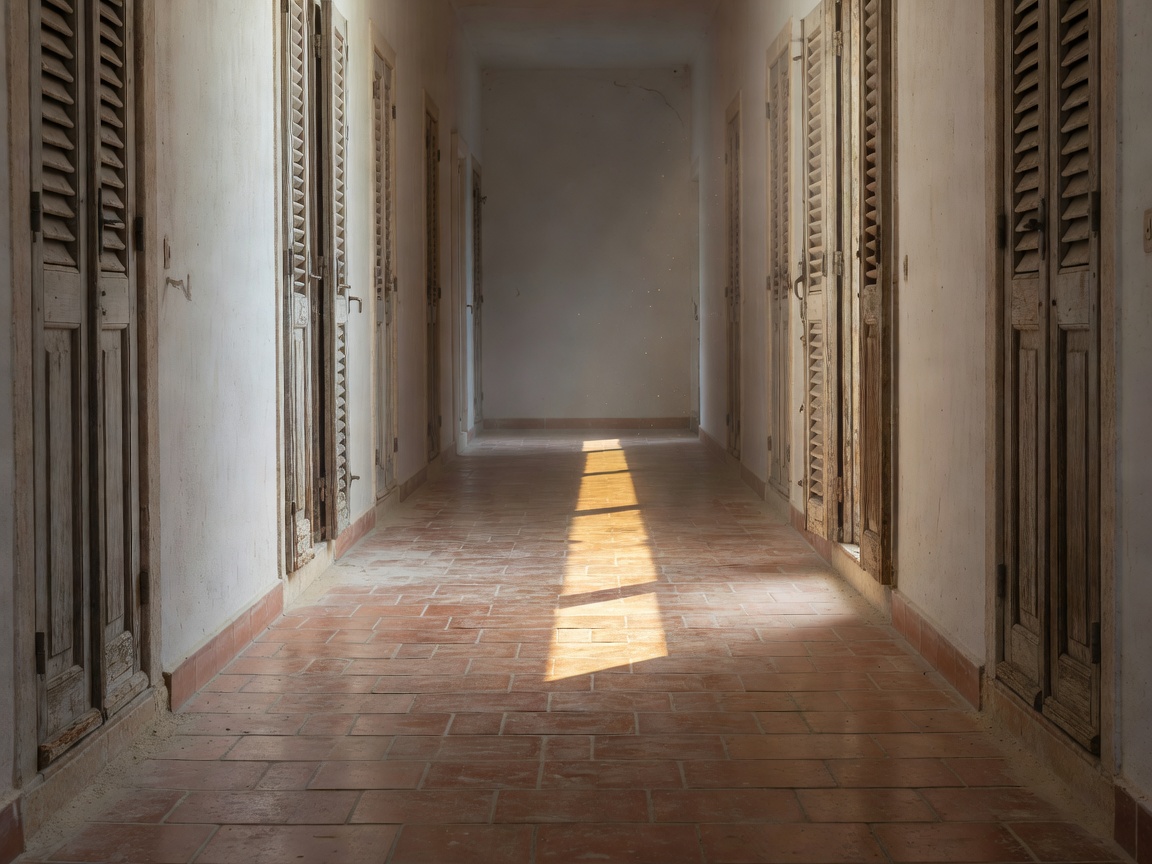
Seaside hotel corridor with shuttered doors and a strip of sunlight across the floor
The editor's rule

A view is the beginning of a stay, not the whole of it.

Coastal picks

Six seaside hotels worth the journey

  • Le Sirenuse, Positano

    Best for a classic Amalfi stay above the bay, with stairs as the price of admission.

  • Hôtel du Cap-Eden-Roc, Cap d'Antibes

    Best for pine-shaded grounds and the Riviera at its most formal.

  • Il Pellicano, Porto Ercole

    Best for a quieter Tuscan coast, with gardens running down to the rocks.

  • Belmond Hotel Caruso, Ravello

    Best for hilltop terraces and a slower pace than the coast below.

  • Cavo Tagoo, Mykonos

    Best for white-washed views and long island evenings.

  • Reid's Palace, Funchal

    Best for mild winters and clifftop Atlantic light.

What to check before you book

  • Distance to the water. Steps, a lift, a path or a boat: ask which.
  • Orientation. West-facing terraces catch the sunset; east-facing rooms catch the morning.
  • Noise. A lively harbour or beach bar can carry late into the night.
  • Transfers. Winding coastal roads and ferry timetables can double a journey.
  • Extras. Ask what is included before comparing nightly rates.

Rates, opening dates and facilities change from year to year. Confirm them with the property before you commit.

Continue the guide
  • City hotels

    The case for sleeping in the old town.

    Read →
  • Countryside stays

    Estates and farmhouses for real quiet.

    Read →
  • Boutique and historic

    Palaces, convents and castles.

    Read →