City hotels

The case for sleeping in the old town

There is a particular pleasure in walking back to your hotel at eleven at night through streets that are, for once, yours. The old town offers it. You step out of the door into a square, a bell tower, a bakery that opens at seven, and the city becomes a place you live in rather than visit.

That feeling has a price in noise, small rooms and the occasional staircase, so the practical filters matter. Here is how we weigh location, character and value when choosing a city hotel in Europe.

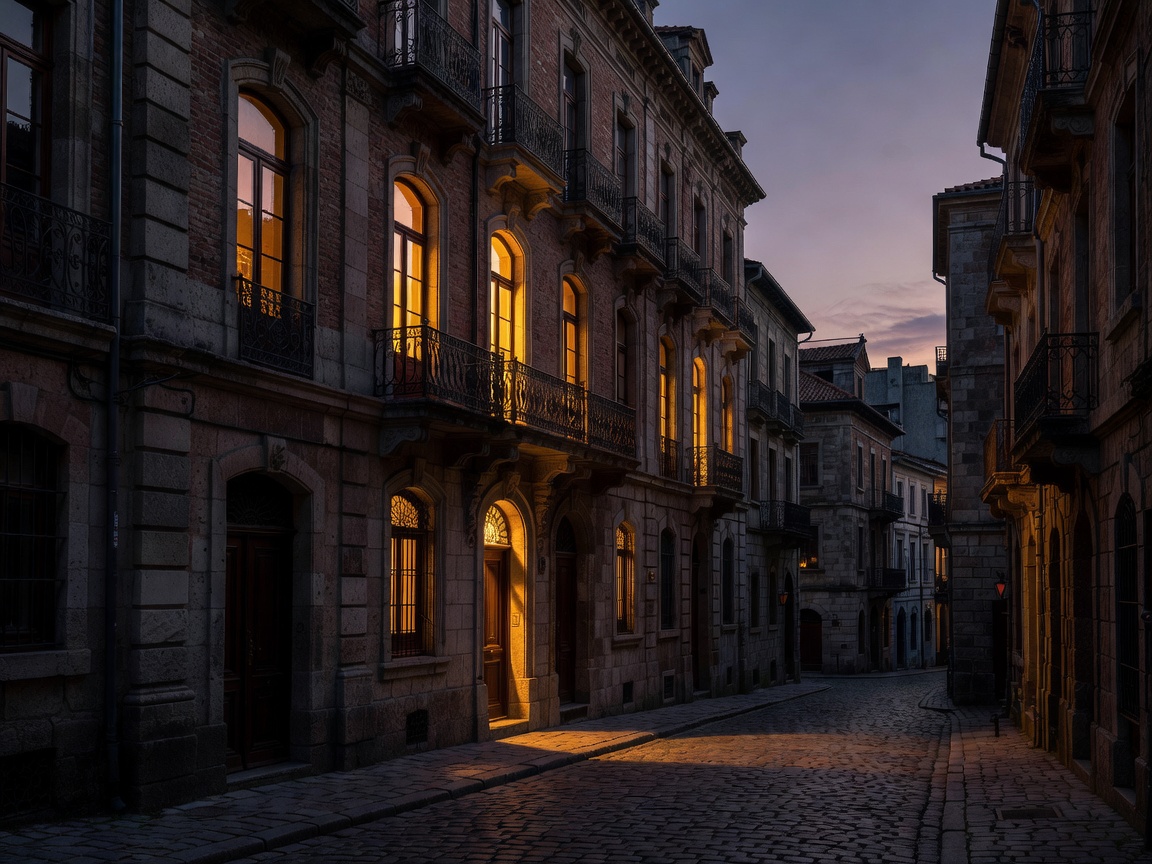
Old-town street at dusk with a hotel facade, warm lit windows and deep shadows

Location is a promise about your feet

In a compact capital such as Vienna, Amsterdam or Prague, a central address saves an hour a day. Staying in the Innere Stadt of Vienna, along the canal ring of Amsterdam, or in Malá Strana below Prague Castle puts museums, cafés and evening walks within ten minutes on foot.

In larger cities such as Paris, Rome and Barcelona, the better question is which quarter suits you. The Marais offers lanes and galleries, Saint-Germain has bookshops and quiet courtyards, and the Gothic Quarter and El Born give you tapas bars and old stone.

Look at the map for the nearest metro or tram stop, not only the distance to a landmark. A hotel ten minutes from the monument, on a calm street with a station at the door, often beats one on the square itself.
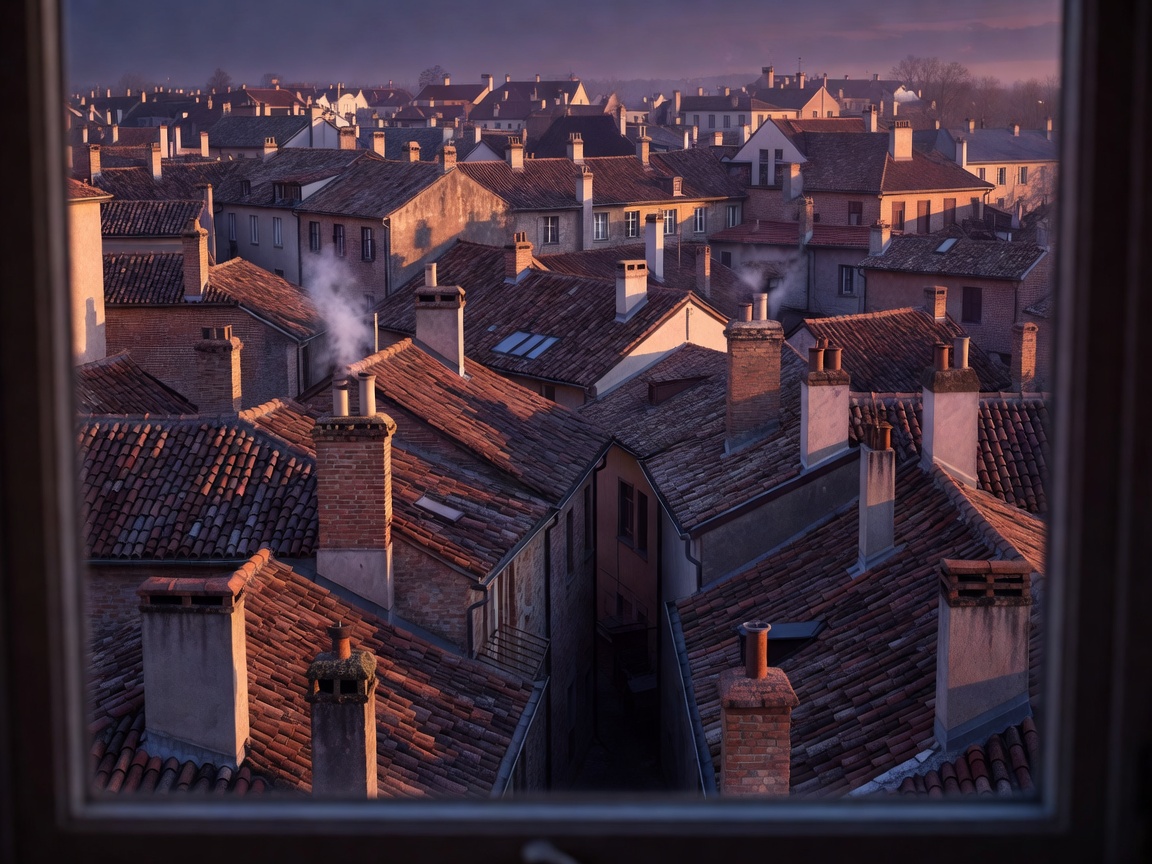
View from a hotel window over old-town rooftops and chimneys in evening light

Character is what the lobby tells you

The best city hotels carry the city inside them. Hotel Sacher in Vienna keeps its red-plush salons close to the State Opera, and its café remains a ritual. The Pulitzer Amsterdam joins a run of canal houses, so corridors turn and rooms look onto quiet gardens.

Hotel Lutetia in Paris wears its Art Deco Left Bank heritage in the lobby, while Hotel Arts Barcelona offers a modern, high-rise counterpoint beside the sea. Hotel Adlon Kempinski places you beside the Brandenburg Gate in Berlin, and Hotel Eden in Rome keeps the view over the rooftops within reach.

Character does not need age, but it does need conviction: a place that knows what it is, and says so with a lamp, a stair and a good desk clerk.
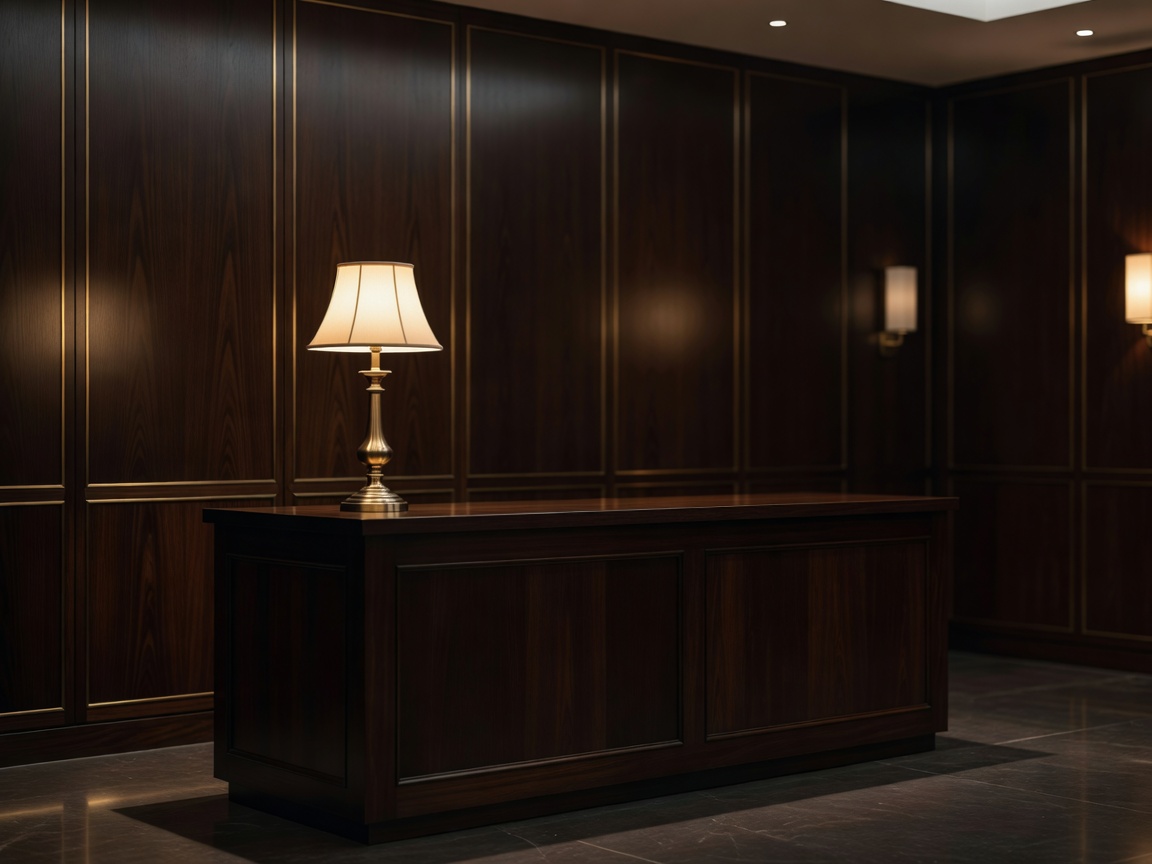
Hotel lobby with a brass lamp on the reception desk and a dark panelled wall
The editor's rule

Choose the street first, the hotel second. A beautiful lobby cannot soften a loud pavement.

City picks

Five city hotels worth the detour

  • Hotel Sacher, Vienna

    Best for first visits and opera evenings: central, formal and generous.

  • Pulitzer Amsterdam

    Best for couples who like quiet corners, garden views and canal walks.

  • Hotel Lutetia, Paris

    Best for Left Bank wandering, with a lobby that rewards lingering.

  • Hotel Arts Barcelona

    Best for a modern room with sea views, away from the old lanes.

  • Hotel Adlon Kempinski, Berlin

    Best for a landmark address beside the Brandenburg Gate.

Practical filters before you book

  • Noise. Old-town windows are charming and thin. Ask for a courtyard or inward-facing room.
  • Size. Rooms in historic buildings are often compact, so check the square metres.
  • Stairs and lifts. Narrow buildings may have small lifts or none at all.
  • City tax. Many European cities add a per-night tourist tax, often settled at the hotel. Budget for it.
  • Cancellation. A flexible rate costs a little more, but it is worth it when trains and flights shape the trip.

Value is not the lowest rate. It is the nights you sleep well, the walk you do not need a taxi for, and the breakfast you remember. Rates and facilities change, so confirm the details with the hotel before you book.

Continue the guide
  • Coastal resorts

    Terraces, bays and the question of the stairs to the sea.

    Read →
  • Countryside stays

    Estates and farmhouses for people who want real quiet.

    Read →
  • Boutique and historic

    Palaces, convents and castles with a voice of their own.

    Read →